
Digital Printing: Complete Guide to Modern Printing Technology & Benefits
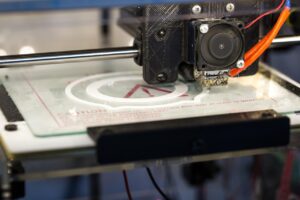
Digital Printing: Complete Guide to Modern Printing Technology & Benefits
In today’s fast-paced world, where branding, marketing, and communication rely heavily on visual impact, the way we print has undergone a dramatic evolution. Traditional methods once dominated the industry, but they required lengthy setup times, costly plate creation, and large minimum order quantities. Enter digital printing, a modern solution that combines speed, precision, and cost efficiency. Whether you’re a small business owner needing quick marketing materials or a designer seeking vibrant, short-run prints, digital printing delivers unmatched flexibility and quality.
What is Digital Printing?
Digital printing refers to producing printed materials directly from digital files. Unlike offset printing, which relies on metal plates and ink transfers, digital printing sends images or documents straight from a computer to a printer. This eliminates the need for setup plates, significantly reducing production time and cost. According to Robert Vernon, this approach is ideal for on-demand printing, variable data projects, and short-run orders where customization matters. Digital printers use advanced inkjet or laser technology to ensure accurate color reproduction and high-resolution output for materials like business cards, brochures, and mailers.
How Digital Printing Works
The digital printing process is efficient and straightforward. It begins with preparing a design file, typically in formats like PDF, TIFF, or JPEG. The file is then optimized using color management tools for accurate, vibrant results. Once ready, it’s sent to a digital printer that applies ink or toner directly to the material, paper, fabric, vinyl, or other substrate. Afterward, the materials may undergo cutting, binding, or lamination. This direct-to-print method minimizes waste and allows for quick production, making it ideal for businesses using Tray Inc’s mailing services or those testing designs before large-scale runs.
Digital vs. Offset Printing
When comparing digital and offset printing, the main differences involve setup, speed, and cost. Offset printing uses plates that transfer ink to a rubber blanket before reaching the printing surface. While this provides excellent color consistency for large-volume projects, it’s time-consuming and costly upfront. In contrast, digital printing is entirely plate-free. Files go directly from computer to printer, reducing setup time and enabling instant printing. As noted by Printers Marketing Toolkit, this makes digital printing ideal for short runs, personalized materials, and variable data projects that include unique names, QR codes, or serial numbers.
Benefits of Digitally Printing
1. Speed
No setup plates are required, allowing fast turnaround from design to final product, perfect for marketing campaigns, launches, or last-minute materials.
2. Cost Efficiency
Ideal for small to medium print runs; print only what’s needed to minimize waste and storage.
3. Customization
Enables targeted, personalized marketing materials for specific audiences.
4. High Quality
Produces sharp details, vibrant colors, and consistent results comparable to traditional printing.
5. Eco-Friendly
Uses less energy and waste, with sustainable inks and recyclable materials, a great fit for brands using Tray Inc’s packaging services.
Types of Digital Printing Technologies
-
Inkjet Printing: Uses liquid ink sprayed through fine nozzles for large-format projects like posters, banners, and signage.
-
Laser Printing: Relies on toner and heat for fast, high-volume prints ideal for documents and office materials.
-
Dye-Sublimation Printing: Transfers dye onto materials such as textiles or coated items, perfect for apparel and promotional products.
-
UV Printing: Uses ultraviolet light to instantly cure ink on glass, metal, or plastic.
Each technology serves a unique purpose, offering flexibility for creative and commercial projects, as showcased by Robert Vernon’s print innovations.
Applications and Use Cases
Commercial digital printing supports a wide range of industries and applications. It’s used for brochures, flyers, catalogs, business cards, and direct mail. With large-format printing, companies can design impactful banners, trade show displays, and wall graphics. Digital printing also enables print-on-demand, helping businesses produce materials only as needed, saving money and reducing waste. This ensures materials stay current and cost-effective. For custom packaging, apparel, or creative projects, explore Tray Inc’s custom printing solutions, which deliver vivid imagery and professional results.
Materials That Can Be Digitally Printed
One of the most versatile aspects of digital printing is its adaptability. It can be used on paper, cardstock, vinyl, canvas, and fabric and even on unconventional materials like glass, metal, and plastic with UV printing. This flexibility allows for endless creativity and professional results. Many experts, including Printers Marketing Toolkit, highlight how this technology supports unique textures and finishes that maintain high-quality output across all formats.
Cost and Efficiency Considerations
For businesses, digital printing’s biggest advantage is efficiency. Without setup plates or minimum orders, you can produce smaller, frequent print runs at lower costs. It’s ideal for testing multiple designs or making quick updates without large expenses. Additionally, its on-demand nature means printing only what’s needed when it’s needed. For larger projects, offset may be more cost-effective per unit, but for short- to mid-range quantities, digital printing remains unbeatable. Learn how Tray Inc helps businesses optimize printing budgets while maintaining high quality and flexibility.
Environmental Impact of Digital Printing
Digital printing is one of the most eco-friendly methods available today. It eliminates chemical-heavy plate processing, reduces waste, and uses energy-efficient printers. Many providers now rely on recycled materials and eco-based inks to minimize their carbon footprint. Following the lead of sustainability advocates like Robert Vernon, businesses choosing digital printing can align with green initiatives while still achieving premium results and exceptional clarity.
Choosing the Right Digital Printing Provider
Selecting the right printing partner can significantly affect your project’s outcome. A reliable provider should offer diverse materials, quick turnaround, and advanced equipment. Trayinc specializes in combining cutting-edge technology with craftsmanship and personalized support. Whether you need marketing materials, packaging, or direct mail campaigns, they provide custom solutions tailored to your brand. To discuss your next project or request a quote, Contact Tray Inc today.
Future Trends in Digital Printing
The future of digital printing continues to evolve rapidly. Printers are becoming faster, more energy-efficient, and capable of printing on an even broader range of materials. Artificial intelligence is enhancing color management and workflow automation, while innovations in textile and 3D printing are pushing creative limits. Experts at Printers Marketing Toolkit predict that these developments will give businesses more creative control and sustainable options than ever before.
Conclusion
Digital printing has transformed how we approach print production. It combines speed, precision, and versatility, offering professional-quality results without long waits or high costs. From marketing materials to apparel and packaging, digital printing ensures consistent, high-quality outcomes every time. To bring your ideas to life, explore Tray Inc Printing Services or contact us today to discuss your next project.